Why good memes are like mirrors. See also: danah boyd.
Why good memes are like mirrors. See also: danah boyd.
🎵: Before the Water Gets Too High - Parquet Courts
Access to tech: Enterprise level. Claude Pro plus added tokens (~$40 out of pocket after I ran through Claude Pro’s compute).
Process: Gemini pulled a roster based on the Roberts article in Jezebel. I strongly suspect my call for a “roster” shaped the inputs and outputs, making this cohort of writers look like a crew of fantasy football players or Marvel characters. All stats.
I asked Claude to analyze the data from my perspective, which includes people and details that aren’t part of the formal record, allowing for compare and contrast. To get here, I had to publish and republish the prompt almost forty times to better anonymize the data while protecting the writers included.
The “thickness” heuristic applied is totally made up - Claude took my thoughts about Donna Haraway and McMillan Cottom’s work and wove them through my thoughts about information architecture that I first learned from Dr. B.
Claude scanned the final draft for legal and privacy concerns. Everything here is publicly available online today, because it is currently live or lives somewhere as a ghost in the machine, whether via Wikipedia or the Wayback Machine or otherwise.
I gave Claude permission to look across public data, crack windows and open doors, and to annotate and proceed as it worked, rather than keeping the decisions with me, then shaped the final strawman into what’s here. This took about half a day to pull together - yammering at the data within the Claude interface until it looked reasonable. Imagine having resources and a data scientist apply themselves here, with long reach and memory, with implications in every direction.
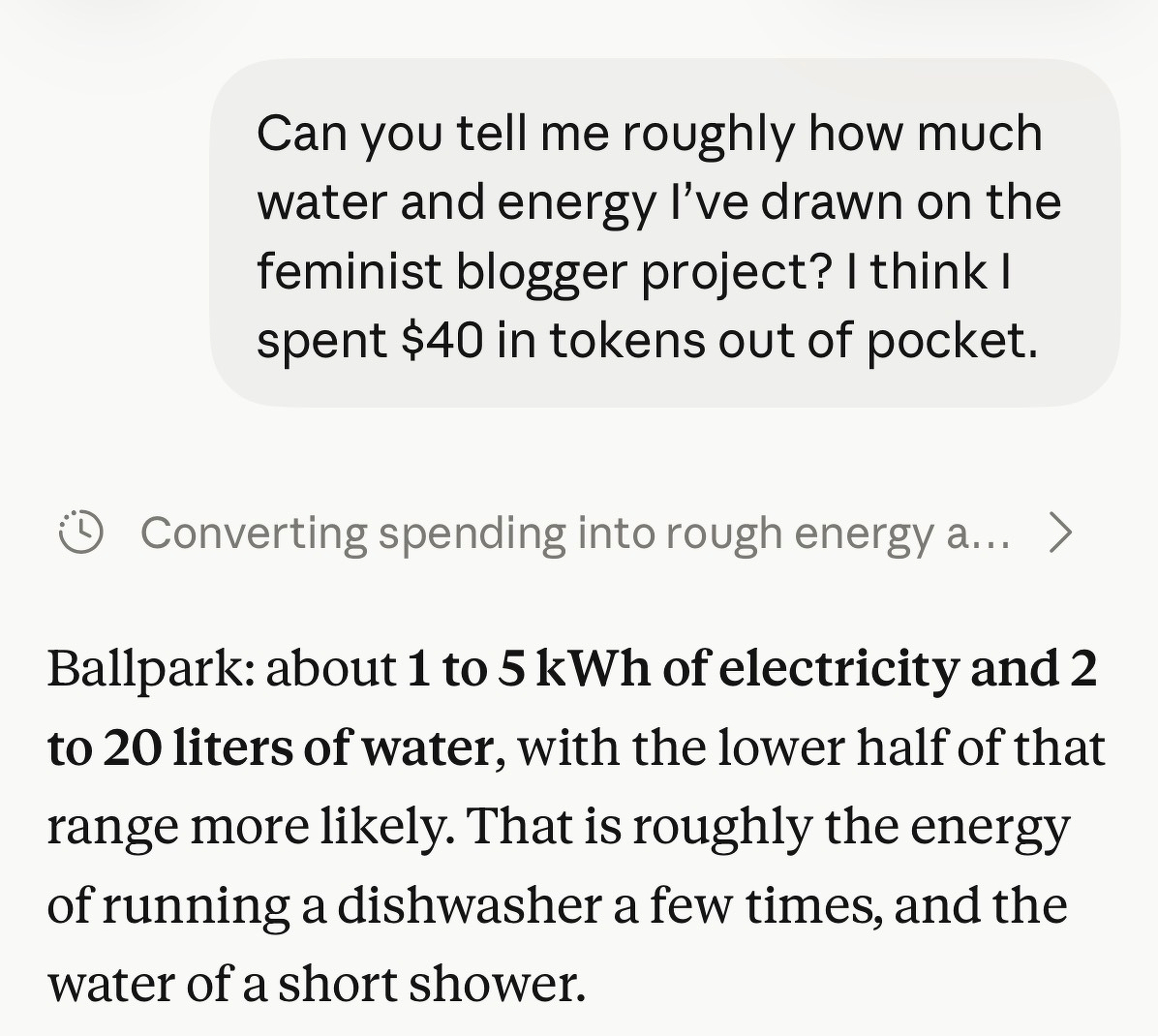
In the meantime Claude shut me down for the week (too much compute). I had to wait until this morning to ask Claude how much energy it took to run this report as I did, as a rookie and everyday practitioner.
Before enterprise CMSs, there were blogs. Before blogs, there were zines.
Harvard Business provides a roundup of articles and research showing practical uses (or not) of AI in the workplace today.
Eve Ewing on the slow disaster encroaching on Chicago’s South Side, and a relevant companion to the NHJ piece circulating so widely this week. Also related.
Garbage Day asks what all the new embedded AI agents are for.
Plain language guide on how LLMs are shifting the AI market right now.
Trend watch: Defanging consumer surveillance technology by emphasizing cuteness.
How highly formalized government processes are slowing down AI governance at the state level.
I’ve spent the last few months annoyed with the incomplete retrospectives around writers and writing online and how we all got here. At work, I use a portfolio perspective to understand working groups, and used a couple of AI approaches to build out a highly contextual, and likely contested, interactive map charting some of the major players and influences around the feminist blog years, the major platforms, their cultural impacts and major publications. These are case studies and cohorts based on my personal angles mixed with authoritative resources, including a highly annotated bibliography.
Does this feel slimy? I concede it may. But it demonstrates the value of personal writing and thoughtful design in digital spaces despite its many gaps and flaws.
Enjoy and tinker. Feedback is welcome. I’ll have some notes on my approach and why many of these findings remain heavily qualified in the coming weeks.
Konstantinos Komaitis has started a ten-part series at Techdirt called The Metric Is Not the Mission. It traces how Big Tech went from building the open internet to reshaping it around its own metrics and incentives. Part I argues that the recurring fights over content moderation, privacy, recommendation algorithms, and AI are symptoms of one long shift.
Search, social networks and recommendation systems solved real problems of navigation and abundance. Eventually each solution becomes the environment itself, and continues to be optimized for incentives that benefit the companies behind tech solutions. His phrase for how we’ve been reading the news about tech is “paying attention to the weather while overlooking the climate.”
The historical framing will only pay off if later installments name specific mechanisms and the people who made the decisions, and I’m reading the rest to see whether they do. New parts come out twice a week, with a full PDF at the end.
🎵: A Thousand Mountains - Freddie Gibbs and The Alchemist
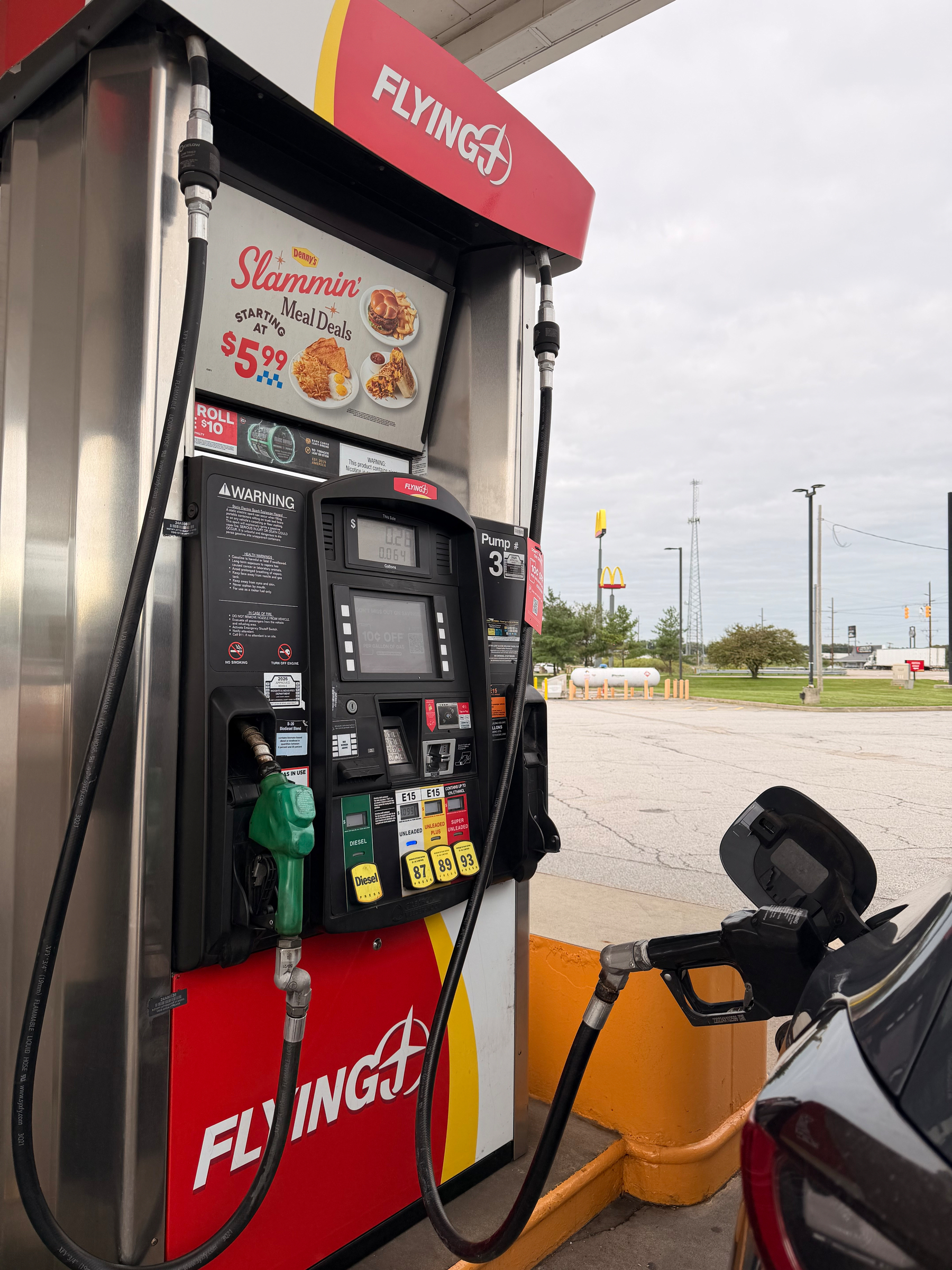
Yesterday I cut through Gary to get around a traffic jam on the toll road and picked up the Dan Ryan and the Skyway. Since living in Madison, I’ve made some version of that drive more times than I can count. I grew up south of Gary, at the edge of what a colleague called “the Chicago ombré,” and in my twenties my friends and I spent our weekends in The Region, thrifting our way across Lake County and hitting 18+ hip hop clubs in East Chicago. (King Von measured the same gradient from the city side in “Took Her to the O.”) To many, Gary is the city you drive through on the way to somewhere else.
The Skyway has a long political history: Chicago built it in 1958 with revenue bonds, then the bonds defaulted in 1963, and the city spent the next few decades catching up on deferred maintenance, according to Louise Nelson Dyble’s history of the road. In 2005, the Daley administration leased it for 99 years to Cintra and Macquarie for $1.83 billion, making it the first existing toll road in the country to be privatized. Eleven years later, the consortium sold the lease to three Canadian pension funds for $2.8 billion. The crossing now costs $8.10 in a car, and CBS Chicago reports that tolls have gone up more than 200 percent since the lease, about three and a half times the rate of inflation.
Indiana saw the incentives in this arrangement and followed along. In 2006, then-governor Mitch Daniels leased the Indiana Toll Road to the same Macquarie-Cintra group for 75 years and $3.8 billion, and he used the money to pay for Major Moves, his statewide highway program. Stateline’s 2012 retrospective called the lease one of the most divisive things Daniels did as governor. The bill passed without a single House Democrat, and the Region hated it. At a town hall in Crown Point, one resident told Daniels the deal amounted to taxation without representation. The operator went into Chapter 11 in 2014, and an Australian fund bought the lease the next year for $5.7 billion. A big share of the original money built I-69 between Evansville and the Crane Naval Base, at the other end of the state. When Eric Holcomb later approved a truck toll hike in exchange for another $1 billion, he had to deny in public that the Region was once again paying for highways its drivers would never use.
The state keeps the paperwork on deals like these. The Indiana State Archives opened a new downtown building in Indianapolis on Thursday after 25 years in a “temporary” warehouse on East 30th Street, a former RCA record-stamping plant whose roof leaked partly because people shot holes in it. An old combination safe in the new building holds the state’s original constitutions, Jim Jones’s church incorporation papers, and Donald Trump’s application for a casino in Gary. Upstairs, a conservator expects to spend four to six weeks piecing together a Porter County survey map that had broken into fragments. The reading room is open to the public Tuesday through Saturday, and the staff asks you to make an appointment so they can pull the boxes before you arrive.
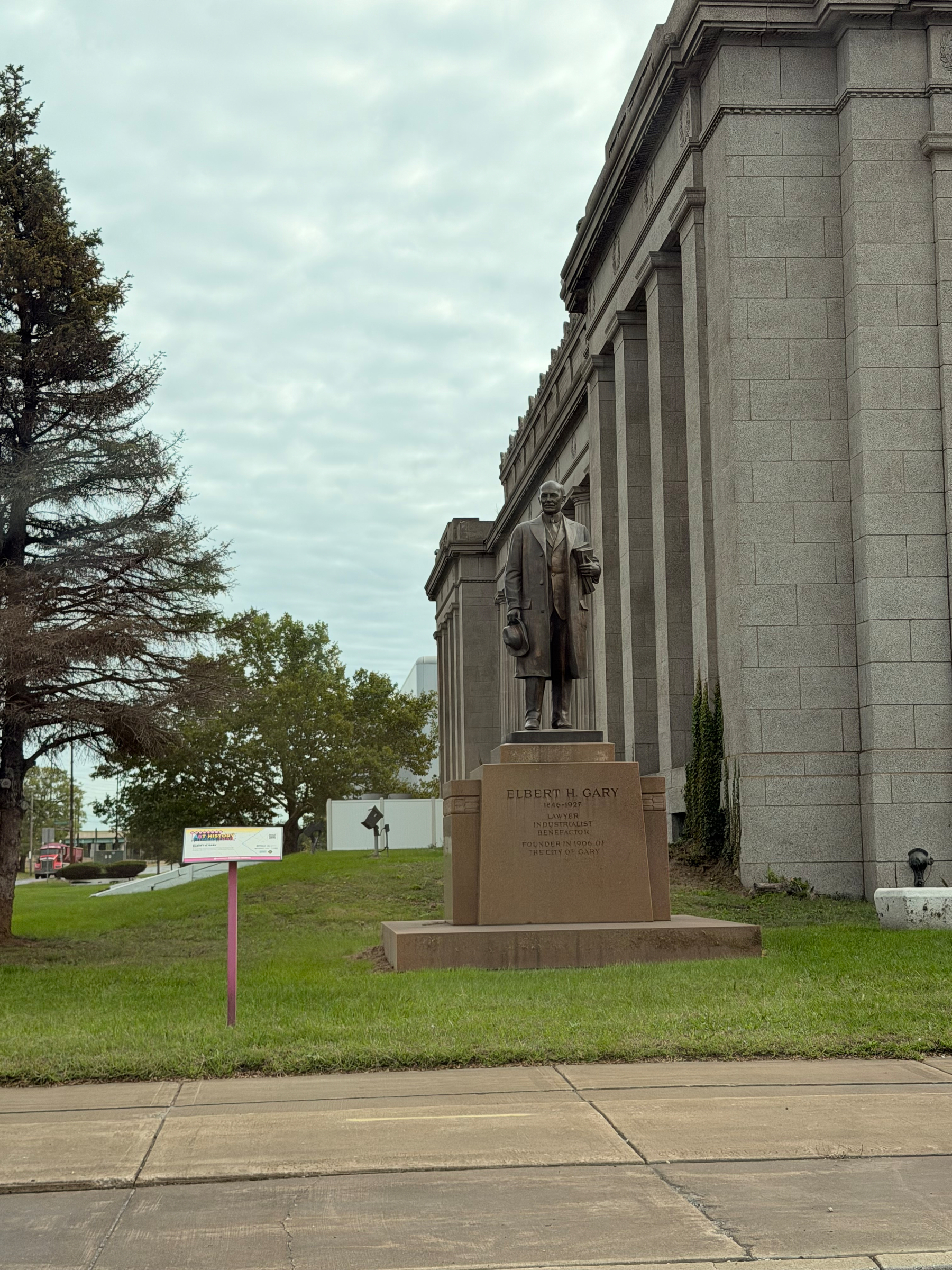
Gary has been on the wrong end of these deals since before it had a name. Paige Williams’s New Yorker piece on Gary and U.S. Steel asks whether a company town once called “the most miserable city in America” can remake itself. U.S. Steel founded Gary in 1906 to house the workers for its mills, and in 1920 Carl Sandburg published a poem about how the people running the place saw those workers.
Freddie Gibbs grew up on Gary’s east side, and Jeff Weiss has profiled him twice. The 2021 profile in The Ringer catches Gibbs around his Grammy nomination for Alfredo and opens on a 2009 visit to his Van Nuys apartment, where Gibbs told Weiss that robbing freight trains was a popular hobby back home. Weiss’s earlier piece, The Miseducation of Freddie Gibbs, adds that one of Gibbs’s teachers got fired for robbing them too.
(Weiss, bless him, professes not to understand the rabbit metaphor present throughout Gibbs’ work, yet confidently persists.)
Gibbs’s father, Warren Tipton, spent about twenty years on the Gary police force and later sang with the Chi-Lites. He died in May, and AllHipHop’s obituary places him in the same Gary music scene that produced the Jacksons. That detail stuck with me because my ex-father-in-law was a police officer and chief of police downstate during the same years, and also played drums in a local band. Jamelle Bouie has historically described police departments as “jobs for the boys,” a steady public paycheck handed to working-class men, and that fits both of their careers better than anything about their relationships to law and order. In towns where the mills were shedding jobs, a badge was one of the few paychecks that came with a pension, and a man who could sing still needed that safety net.
Policing in the Region has uglier chapters than that. The Chicago Sun-Times has spent years covering the federal case against the Sin City Deciples, a motorcycle club founded in Gary in 1967. One member admitted he worked as a Gary police chaplain while killing two men, one of them the son of a former Gary police chief. The Chicago Reader’s Tiger King of the Midwest profiles Roy “Roy Boy” Cooper, who ran a tattoo shop called the Badlands with Bengal tigers in cages next to the chairs. Tattooing was illegal in Indiana then, and Cooper’s lawyer reportedly steered him to Gary because the police had bigger problems than a tattoo shop — as long as it paid its taxes. Media Burn has raw footage of Cooper setting a leashed tiger on a pool table while his wife runs through the rest of their animals, which included a grizzly bear and a baboon. In the video, Lady Cooper recommends taking the animals out in public, to the grocery store, socializing them on the locals.
Anderson went through the same collapse with auto parts. General Motors moved in during the 1920s and eventually ran two divisions there, Delco-Remy for electrical systems and Guide Lamp for headlights. By the time Jon Alpert made Dirty Driving: Thundercars of Indiana for HBO in 2008, a town that once had 33,000 GM jobs had empty factories and shuttered stores, and what was left of it went to the Anderson Speedway every Friday night. The Herald Bulletin caught up with one of the film’s drivers, Sammy Hawkins, as he flew home from the New York premiere to a Firestone job in Noblesville that he expected to lose. His line in the film is that Anderson doesn’t make cars anymore, but it can still race them and wreck them.
Music in Gary started in the mills. Joe Jackson ran a crane and played guitar in a band called the Falcons, which never got a record deal, so he kept the mill job and trained his sons into the Jackson 5 instead. Their first contract came from Steeltown Records, a Gary label, in 1967, and “Big Boy” was a local hit before Motown signed them. Most people in a mill town who can play keep the day job, and the ones who make it usually leave.
Akron went through its own version a decade later, with rubber instead of steel. Midstory’s history of how Akron became “the new Liverpool” describes Devo, Tin Huey, the Bizarros, and the Rubber City Rebels as kids from factory families trying not to follow their fathers into the plants. The scene got its home during one of the longest rubber workers’ strikes in the city’s history, when the Rubber City Rebels took over a rubber workers’ bar called the Crypt, as PBS Western Reserve tells it in It’s Everything, and Then It’s Gone. Chris Smith’s 2024 Devo documentary picks up the story from Kent State and follows the band into the early days of MTV.
Detroit turned its losses into techno. Juan Atkins, Derrick May, and Kevin Saunderson learned Kraftwerk and Parliament from a late-night DJ called the Electrifyin’ Mojo, and by 1987 more than half of Detroit’s manufacturing, retail, and wholesale base was gone, as SPIN reported in 1998. Midstory’s Built to Boom traces the line from the assembly plants through Motown to techno, and May describes sampling industrial noise, traffic, and construction into his tracks.
The techno ran straight into the rap Jorjiana grew up on. NPR’s piece on how Detroit and Flint became havens for rap dark horses credits the producer Helluva with a “basement sound” of ominous pianos and synth stabs, which he built by crossing West Coast gangsta rap with Detroit techno, and it describes the Flint rappers as a crew of flippant, vulgar jokers. Flintside’s history of the Flint scene shows how a co-sign from Detroit’s Peezy lifted Rio Da Yung OG and everyone around him. Lil Yachty spent years showing up on Michigan records, and he later vouched for Jorjiana too.
Jorjiana is 21, and a single mom, and from Michigan City, just down the shore from Gary. The Times of Northwest Indiana profiled her recently after “ILBB2” took off, and her Complex interview covers a childhood spent moving between relatives while her parents struggled with addiction. By her account, her music career started with screwing around with her friends around town. She and her friends were bored during the pandemic, so they freestyled in her car, and she posted the results, doing actual numbers. She told Justin Moran that her friends talked her into cross-posting the TikTok clips to Instagram, which she barely used, and that’s where the A&Rs found her. At the time she didn’t know what an A&R was. In a clip Complex posted, she admits she doesn’t know who Freddie Gibbs is either, so what ties her to Gary is the shoreline more than any influence. She should get familiar with his catalog (and a metronome!).
Plenty of good bands started as friends goofing off, which “industry plant” commenters might keep in mind. Devo began as a satirical art project at Kent State. Ron and Russell Mael studied graphic design and film at UCLA before Sparks, and Edgar Wright’s The Sparks Brothers spends a lot of time on how they built their act for Top of the Pops closeups. Both bands treated the dominant screen of their time as part of the instrument. Jorjiana’s screen is the short-form feed, and I’ve been watching her work it for the last year or so: snippets of songs previewed, clips pushed to every platform, a freestyle on On The Radar at the end of 2024 that brought more than a dozen labels calling, a GloRilla remix, and co-signs from Lil Yachty and GloRilla.
If you want to know what Gary is doing now, read Capital B Gary, which covers the city more consistently than anyone else. Start with their feature on Koney King, a Broadway diner that has been serving chili for more than a century, and then look through their 2024 year in photos, which has residents cleaning up parks on the East Side and crowds on the beach for the eclipse.

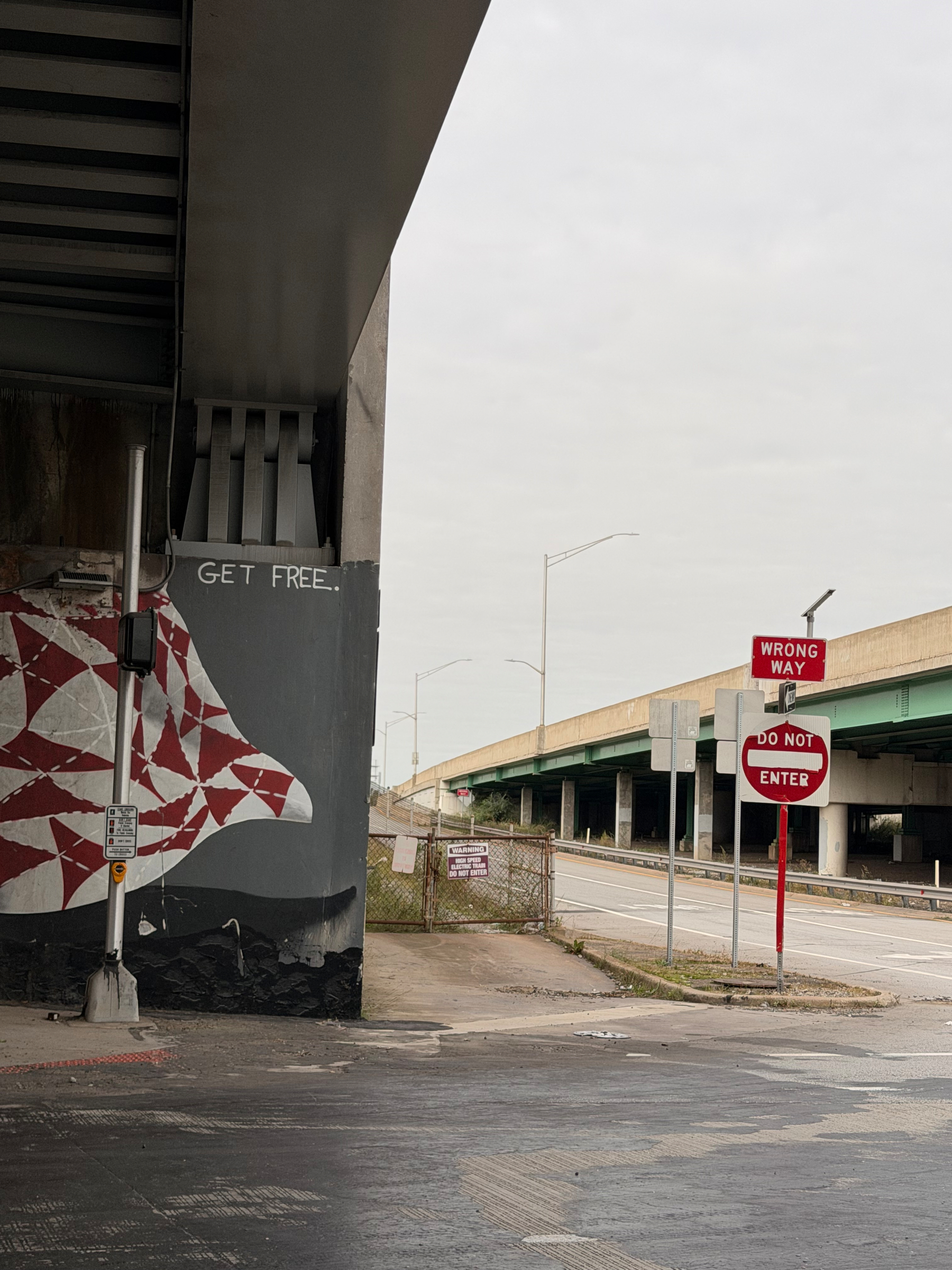
I, myself, had a run-in with a white supremacist Indiana biker gang in my twenties in West Lafayette, also connected to a money-laundering tattoo shop. Someday I’ll commit the story to paper.
While I still go back to Haraway’s “Situated Knowledges” for the argument that every view comes from somewhere, these days, the writer I read most closely on technology is Dr. Tressie McMillan Cottom.
Haraway asks where a knowledge claim is standing, while Dr. Tressie asks who pays for it. Lower Ed traced how for-profit colleges sold credentials to audiences the rest of higher education had shut out. In a TikTok mini-lecture on AI, politics, and inequality, she carried that analysis forward using Daniel Greene’s “access doctrine,” which holds that the answer to economic inequality is more skills rather than more support, and which universities facing their own precarity have leaned into. Audrey Watters and Ed & Class both wrote it up.
Her March 2025 Times column argued that the fantasy appeals to risk-averse organizations because it promises control and oversight. Neil Selwyn’s notes on the column apply it directly to educational AI.
Her question fits my work life better right now while AI begins to show up in procurement, policy and training decks, and her ongoing attention to pedagogy keeps the conversation tied to what happens between a teacher and a student. I read Haraway for the epistemology and Dr. Tressie for the current evidence of how it plays out in real classrooms.
Noted: Because I’m using Gemini to find and complete resources related to the earliest blog years, I’m citing a Clancy throughout my project, which the LLM keeps pulling back to center events and articles related to the Clancy trial.
Neither company publishes a timeline, and most of the numbers floating around come from SEO consultants, so treat this as rough. The short answer is that Gemini usually gets there faster because it searches Google’s index, while Claude appears to search Brave’s, which fills in more slowly.
Gemini grounds its answers in Google Search, so its lag is roughly Google’s indexing lag. That can mean a few days for a page on an established site and two to six weeks for everything else. If your robots.txt blocks Google-Extended, Gemini won’t use your pages for grounding at all.
Anthropic hasn’t officially named its search provider, but the evidence points to Brave: Brave is on Anthropic’s subprocessor list, and one analysis found about 79% of Claude’s cited URLs in Brave’s top 10. Brave mostly discovers pages that already rank on Google or Bing, or that enough Brave browser users visit. For a low-traffic site, that can take weeks or months.
If you paste a URL directly into either chat, the model reads the page right away without waiting on any index. To check whether you’re findable, search your domain on search.brave.com and in Google Search Console. Blocking ClaudeBot, the training crawler, doesn’t stop Claude from citing you; Claude-SearchBot is the one that governs search.
Fellow SEO/GEO nerds are citing an average of six days to show up in Google’s systems, though it is sometimes taking as long as thirty days on smaller, less-visited sites.
Grief resources from fellow internet long-hauler Lenée.
🍿 Watched The Craft with the teenager tonight. Her observation: “Everyone looks so normal in the nineties. Look at their teeth!”