A cool article from Cap Times on how language translation serves as a trust-builder for local government in an era of mistrust.
A cool article from Cap Times on how language translation serves as a trust-builder for local government in an era of mistrust.
With global temps at peak in several areas of the world, the BBC covers how critical tech infrastructure is impacted by high heat.
If you’re looking to be depressed, see this early research from Business Insider on the social implications of GLP-1 usage and how it may impact relationships in the home and workplace.
Dan Hon made me laugh with “carbon-based chauvinism.”
I found this piece from an anthology celebrating 50 years of women’s studies, which explores the intersection of scholarship and publishing practices over time.
I too am dismayed at the sudden lack of cottage cheese in the local supermarket (I take mine as a snack, dusted with EBTB). The shortage hits hardest in the lactose-free section, where six of us appear to be competing for five tubs, and I have started to recognize their faces.
Among other disappointing SCOTUS announcements today: Supreme Court Rejects Lawsuit Alleging Roundup Weedkiller Caused Cancer. In a previous life, I worked in the same college as a cancer researcher who developed twenty years of conclusive research that Roundup causes cancer in dogs by studying Scottish terriers. Scotties, it turns out, tend to be susceptible to bladder cancer, and thus make good candidates for related research when cancer is present. For several years, I got to witness a veritable army of Scottie dogs dressed in bowties and plaid jovially trotting in and out of our veterinary research hospital to seed her research during their cancer treatments in West Lafayette.
What I learned during that time is that a great deal of veterinary research is about looking for health patterns across species. While not all carcinogens act identically across species, most known cancer-causing agents affect both dogs and people in similar ways. Because dogs share our homes and have similar biological responses to toxins, scientists track canine cancers as an early-warning system for human health risks and to research viable interventions to treat them.
In any case, while I don’t know the ins and outs of the specific laws in play here, this is a disappointing outcome when it comes to the science.
I’ve been on vacation, which means I’ve been reading my fool face off. I’ve also caught several great live shows lately, including an incredible set by Australian no-wave noise band Party Dozen. It’s a two-person band and the saxophonist sings directly into the bell of her horn – energetic work.

Finished reading: The Mixed Marriage Project A Memoir of Love, Race, and Family by Dorothy Roberts 📚
A deeply nerdy (complimentary) look at the history of Markdown. And more on Markdown, its function and legacy from Anil Dash.

Finished reading: Mother Mary Comes to Me by Arundhati Roy 📚

Finished reading: A Language of Limbs by Dylin Hardcastle 📚
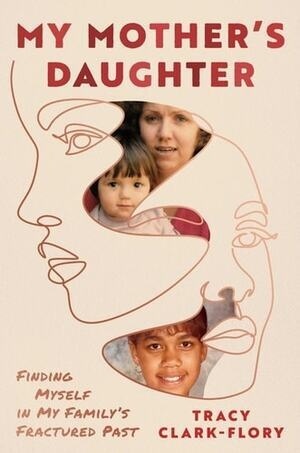
Finished reading: My Mother’s Daughter - Finding Myself in My Family’s Fractured Past by Tracy Clark-Flory 📚
“How internet misogyny parallels ‘real-world’ harassment” is a 2007 paper in the Yale Journal of Law and Feminism by my old co-blogger, Jill, on her experience being harassed online by peers she knew IRL. Many parallels to current attitudes, all enabled and accelerated by digital networks and tools.
Another old article on the emotional toll of being an internet personality and a woman with a platform in the public sphere. I’m quoted briefly: I intentionally broke my social presence when I stepped away, which gave me necessary peace but made it harder to claim my work in this arena over time.
It’s a pleasure to read such a deft writer. Currently reading: My Mother’s Daughter - Finding Myself in My Family’s Fractured Past by Tracy Clark-Flory 📚

I followed the discourse on this one, but the book itself was much more sad than I expected. I did appreciate her thoughts on the pressure of balancing a public persona with the reality of being a messy and unfinished person, as we all are. Finished reading: Adult Braces by Lindy West 📚
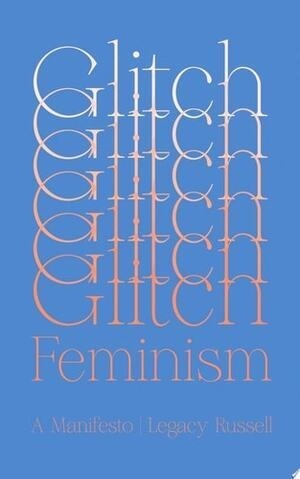
This one was okay. It felt like a series of earnest blog posts without a real throughline. Finished reading: Glitch Feminism by Legacy Russell 📚
I attended the Clayman Institute’s talk on Gender, Power and Artificial Intelligence earlier this month. They now have the session shared on YouTube for posterity. There are many topics and ideas here to chew on as this AI moment develops, and I recommend giving their angles some consideration.